experienced Waterloo Modular Building for commercial use
Optimize Your Space: The Complete Guide to Selecting the Perfect Storage Shed
Selecting the best storage shed is crucial for enhancing outdoor space effectively. It demands careful assessment of individual needs, available land, and suitable solutions. A carefully selected shed not only serves functional needs but also elevates the overall appeal of a property. Understanding these elements can be complex. What characteristics will truly make a difference? Investigating these questions can lead to a more structured and rewarding outdoor setting.
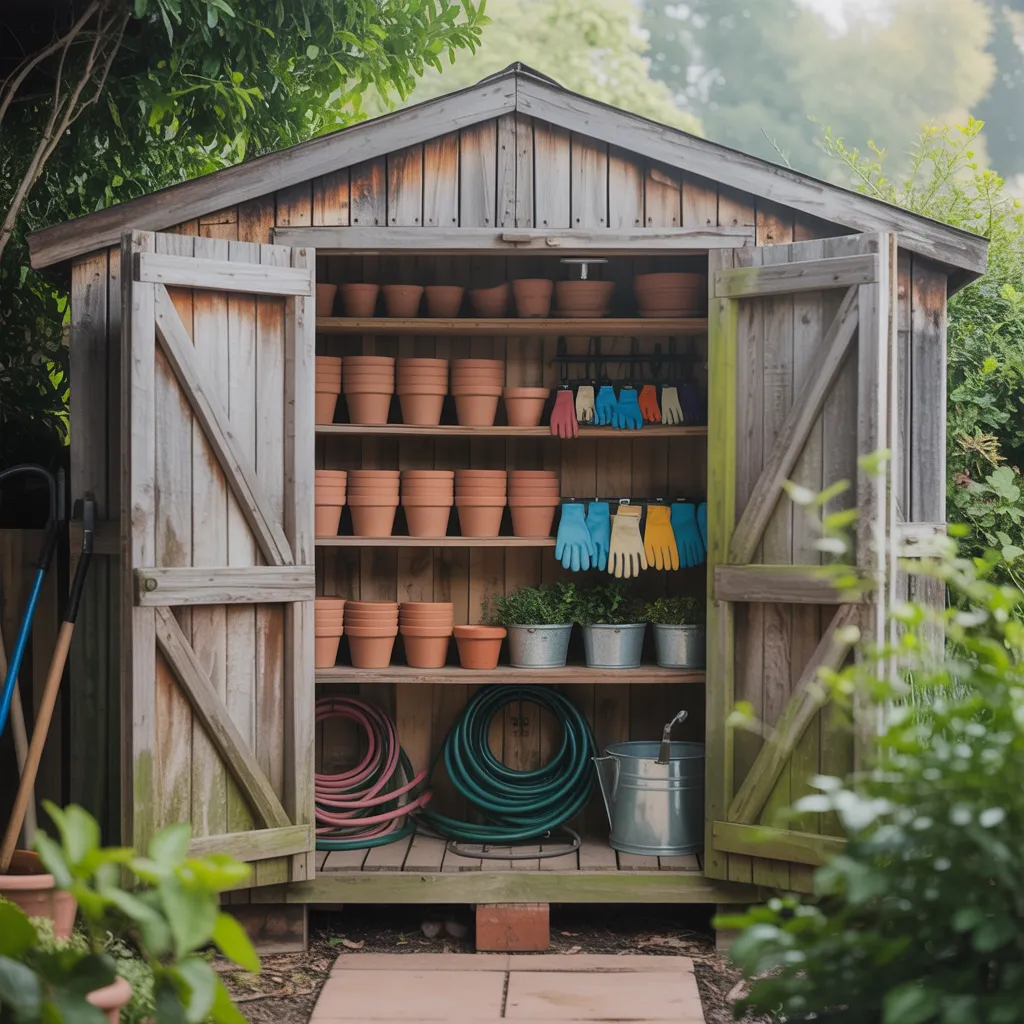
What Would You Use a Storage Shed For?
When thinking about the purchase of a storage shed, one might consider what exact purposes it will fulfill. Recognizing these purposes is important for making an informed decision. Many homeowners seek extra space for gardening tools, exterior gear, or seasonal ornaments. A outdoor shed can also serve as a workshop for hobbies, offering a dedicated area for carpentry or creative projects.
Certain people may consider a shed to keep bicycles, lawnmowers, or pool supplies, protecting these possessions from outdoor elements. Furthermore, for individuals who have animals, a shed can provide a safe space for pet supplies or even a cozy retreat for animals.
Fundamentally, recognizing the planned function of the shed will guide the selection process. Carefully assessing requirements allows for a more customized and practical choice, confirming the shed meaningfully supports storage and optimizes usable space throughout the yard and garden.
What Amount of Space Do You Need?
Establishing the right dimensions for a storage shed starts with assessing personal storage needs. Determining what belongings will be kept inside and considering the space available are critical steps in this process. Moreover, applying reliable techniques for measurement can help ensure a functional placement within the selected area.
Determining Your Storage Needs
What is the best way to assess one's storage needs? First, it is essential to inventory items requiring storage. Such items encompass seasonal goods, tools, outdoor equipment, and other possessions that cannot be accommodated within the home. Categorizing items by size and frequency of use can further clarify what is necessary.
Additionally, think about the years ahead; predicting potential acquisitions can assist in accurately gauging space needs. Additionally, people should evaluate whether they must have dedicated shelving, workspaces, or open floor space for oversized possessions.
Last but not least, it is essential to take into account accessibility. Ensuring that regularly accessed items are readily accessible can impact the general size and layout of the storage structure. By thoroughly assessing these factors, one can arrive at educated choices about the ideal storage shed.
Space Measurement Methods Available
To correctly determine the available space for a storage shed, people should start by examining their outdoor area and noting any physical restrictions, like property lines, trees, or structures already in place. Following this, a tape measure should be used to establish the dimensions of the intended placement area, being careful to include any required clearance around the shed for access and airflow. It is also advisable to visualize the shed's footprint, either with stakes or chalk, to confirm the fit within the designated space. Moreover, reviewing local zoning guidelines is important as they may impact the shed's location and overall size. Ultimately, a thorough measurement process guarantees that the selected storage shed will seamlessly integrate into the outdoor environment while maximizing functional use.
What Materials Should You Consider for Your Shed?
When picking out a storage shed, the selection of materials greatly impacts durability, maintenance, and aesthetics. Typical materials consist of wood, metal, and plastic, all of which deliver their own set of strengths.
Wooden sheds offer a timeless appearance and are highly customizable but require regular maintenance to prevent rot and pests. Metal sheds, commonly manufactured from galvanized steel or aluminum, offer strength and resistance to the elements but can be susceptible to rust if not properly treated. They generally need very little maintenance.
Plastic garden sheds, manufactured from high-density polyethylene or resin, are light in weight, rot-resistant, and generally maintenance-free, making them an ideal choice for homeowners seeking convenience.
Ultimately, the choice should reflect one's own preferences when it comes to aesthetic style, ongoing maintenance requirements, and the planned use of the shed. Each material has its unique benefits, making it essential to consider your specific needs before making a final choice.
How to Coordinate Your Shed Style With Your Home
Choosing a storage shed that complements the style of a home improves both practicality and visual charm. To make this happen, homeowners should first assess the architectural features of their residence. For example, a contemporary home might look great alongside a clean, minimalist shed, while a conventional home could be enhanced by a traditional wooden shed featuring decorative trim.
Color coordination is also essential; matching the shed's hue to the home's exterior can create a cohesive look. Homeowners should consider their landscape as well; incorporating the shed seamlessly into the garden's existing elements will boost its visual charm.
Additionally, the outbuilding's scale should align with the scale of the home and surrounding structures, ensuring it doesn't overwhelm or underwhelm. At the end of the day, the goal is to establish a harmonious connection between the shed and the property, enhancing the overall curb appeal while supplying adequate storage solutions.
What Budget Should You Set for Your Shed?
Budgeting for a storage shed demands careful consideration of several factors. Critical components like design, size, and material have a major effect on overall costs. Understanding these components plays a vital role in developing an accurate budget that aligns with both requirements and preferences.
Figure Out Shed Size
How does someone determine the correct storage shed size while keeping costs in mind? The first step includes examining the intended use of the shed. Recognizing whether it will hold gardening tools, outdoor furniture, or larger equipment can influence the required dimensions. Subsequently, it is essential to evaluate the space available in the yard, ensuring ample room for the shed while keeping local zoning regulations in mind. Financial limitations also play an important role; larger sheds tend to require a higher investment. As a result, prioritizing needs over wants can assist in reaching a cost-effective decision. Furthermore, accounting for future storage requirements can prevent the necessity of a second purchase, ultimately saving money in the long run.
Design and Material Costs
What elements should someone take into account when calculating material and design costs for a storage shed? Initially, the choice of building materials significantly affects the total expenditure. Common options include plastic, wood, and metal, each varying in price and durability. Furthermore, the intricacy of the shed design—such as roofing style and window inclusion—could impact the total expenditure. Workforce costs should equally be considered, particularly when dealing with custom designs or expert installations. Moreover, local building codes may require permits, contributing to the overall expense. It is advisable to research and compare prices from various suppliers and contractors in order to secure the most competitive rate. At the conclusion of the process, a carefully structured budget addressing each of these factors can help one make an informed decision when acquiring an outdoor storage shed.
Must-Have Features for Your Ideal Storage Shed
Identifying the ideal outdoor shed entails examining various critical aspects that can improve usability and strength. To begin with, adequate airflow is critical to reduce moisture accumulation and preserve the contents inside. Built-in shelving and organizational systems improve available space, offering effortless access to stored tools and items. In addition, a robust lock and security feature is necessary for securing your valuable belongings.
A solid structure, be it concrete or wood, delivers strength and longevity, while durable weather-resistant materials guarantee protection against the elements. Plan the size thoughtfully; it ought to satisfy present needs while leaving space for expansion. Windows for natural light can improve visibility, allowing you to find items more easily.
As a final consideration, aesthetic appeal deserves careful attention. Selecting a design that enhances the home and yard can boost total property value. When adding these key qualities, individuals can select a storage shed that satisfies practical requirements and personal preferences.
Common Questions and Answers
Where Are the Ideal Spots for Installing a Storage Shed?
Ideal locations for placing a storage shed include level, properly drained spaces clear of trees, ensuring sunlight exposure and accessibility. Being close to the home improves practicality, while complying with regional guidelines and lot boundaries is necessary.
How Can I Keep My Storage Shed in Good Condition Over Time?
Routine upkeep of a storage shed includes assessing for damage, clearing debris, monitoring for leaks, and treating wooden surfaces with protective finishes. Ensuring proper ventilation prevents mold, while routine organization keeps contents accessible and tidy.
Can I Customize My Storage Shed?
Absolutely, storage sheds can be tailored in many different ways. Homeowners can select from a variety of materials, colors, sizes, and examine now interior configurations to meet their specific requirements, guaranteeing the shed suits their property aesthetically and addresses their unique storage requirements.
What Permits Do You Need to Build a Shed?
Local regulations typically dictate that construction permits could be needed for shed structures. Homeowners are advised to examine zoning laws, height restrictions, and property lines, making sure they comply to prevent fines or possible demolition of the structure.
How Can I Protect My Storage Shed Against Theft?
To protect a storage shed against theft, it is advisable to install sturdy locks, utilize motion-sensor lighting, fortify doors and windows, consider a security camera, and ensure the shed remains visible from the main residence.